

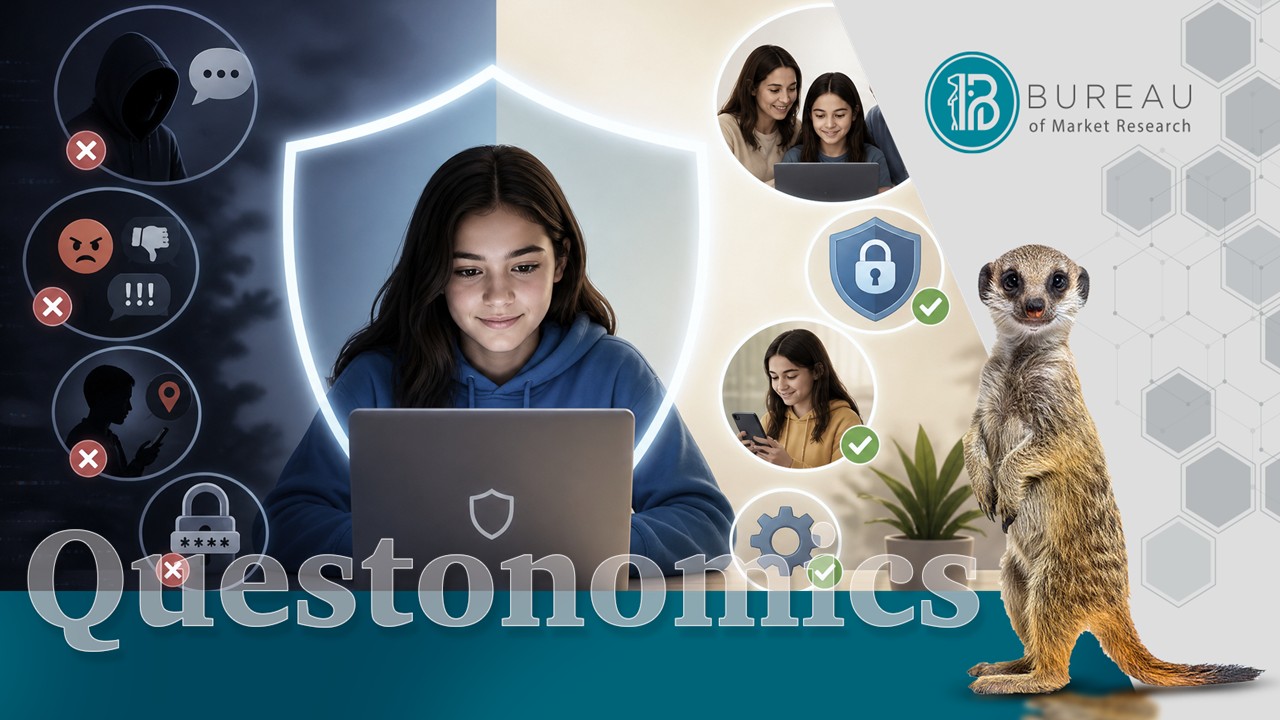
Are we protecting children or policing their access to the modern world?
Introduction
As technology adoption accelerates and social media becomes increasingly embedded in everyday life, concerns about online safety are reaching a critical point. Australia’s recent decision to ban social media access for children under 16 has intensified the global debate. The move prioritises young people’s wellbeing while placing greater responsibility on technology companies through regulation.
The question is whether South Africa should consider a similar approach.
Understanding the Under-16 Social Media Ban
An under-16 social media ban typically prevents children from creating or accessing social media accounts, while requiring platforms to implement age-verification measures and remove underage users. In some cases, access may be permitted with parental consent.
These measures are driven by growing concerns about children’s exposure to harmful online environments. Since 2010, research conducted by the Youth Research Unit (YRU) of the Bureau of Market Research (Pty) Ltd has highlighted increasing exposure to violence, cyberbullying, exploitation and sexually explicit content. Such exposure can negatively affect children’s mental health, emotional wellbeing, behaviour and social development. Supporters argue that children’s developmental vulnerability warrants greater protection until they are better equipped to engage with digital platforms safely and responsibly.
Global Momentum Towards Regulation
Governments worldwide are reassessing how children engage with digital platforms. Several European countries are exploring stricter online safety measures, while debates in the United Kingdom and elsewhere continue around age restrictions, platform accountability and parental controls. For South Africa, however, the issue is not only whether restrictions are desirable, but whether they would be practical, enforceable and appropriate within the country’s unique legal and socio-economic context.
South Africa’s Existing Legal Framework
South Africa already has legislation that supports online child protection. Laws such as the Films and Publications Act and the Protection of Personal Information Act (POPIA) provide oversight regarding harmful digital content, online conduct and the protection of children’s personal information. However, these frameworks were developed before the rapid rise of modern social media and were not designed to regulate children’s access comprehensively or address today’s digital risks. As online environments evolve, stronger collaboration between government, industry, educators and families may be required to ensure children’s safety remains a national priority.
Constitutional and Socio-Economic Considerations
Any attempt to restrict children’s access to social media raises constitutional questions. South Africa’s Constitution protects freedom of expression and access to information; rights increasingly exercised through digital platforms. A blanket ban therefore requires careful balancing between protecting children and preserving these freedoms.
South Africa’s socio-economic realities add further complexity. Digital inequality means access to technology and digital literacy remains uneven. Research by the YRU shows that digital platforms often serve purposes beyond social interaction, including learning, communication, entrepreneurship and access to information. A rigid ban could therefore have unintended consequences, particularly for vulnerable youth who rely on digital platforms for educational and economic opportunities.
A More Balanced Way Forward
While the intention to protect young people is both valid and necessary, the solution may not lie solely in prohibition. A more balanced approach could include:
- stronger digital literacy education;
- enhanced parental involvement;
- improved online safety awareness;
- greater accountability from technology companies;
- age-appropriate platform design;
- evidence-based regulation; and
- stronger national child protection systems.
Ultimately, the debate is not simply about restricting access to technology. It is about creating a digital future that protects children while enabling them to participate meaningfully, responsibly and safely in an increasingly connected world.
We welcome your comments and invite you to share your views on our Facebook page.
Compiled by: Dr A Basson, Prof CJ van Aardt & Ms P de Jongh
Date: 10 June 2026